![]()
Seasonal Packaging Pakistan: Winter and Festive Trends Transforming the Plastic Industry
Pakistan’s packaging landscape transforms with the calendar. As winter approaches and festivals light up homes across Karachi, Lahore, and Islamabad, brands face a critical question. How does your packaging reflect the season? The answer separates forgettable products from those that fly off shelves.
Seasonal packaging in Pakistan is no longer optional decoration. It is a strategic tool that signals freshness, cultural connection, and brand awareness. From Eid to Christmas, from winter skincare launches to New Year gifting, the right packaging drives impulse buys, social sharing, and customer loyalty.
At Noor Enterprises, we have observed these shifts firsthand. For over a decade, we have helped Pakistani brands align their plastic packaging with seasonal rhythms without compromising functionality or budget. In this guide, we unpack the authentic trends shaping winter and festive packaging in 2025, grounded in local consumer behavior and market realities.
This is not generic advice copied from Western blogs. This is a practical roadmap built for Pakistani brands, by a Karachi-based manufacturer who lives this industry daily.
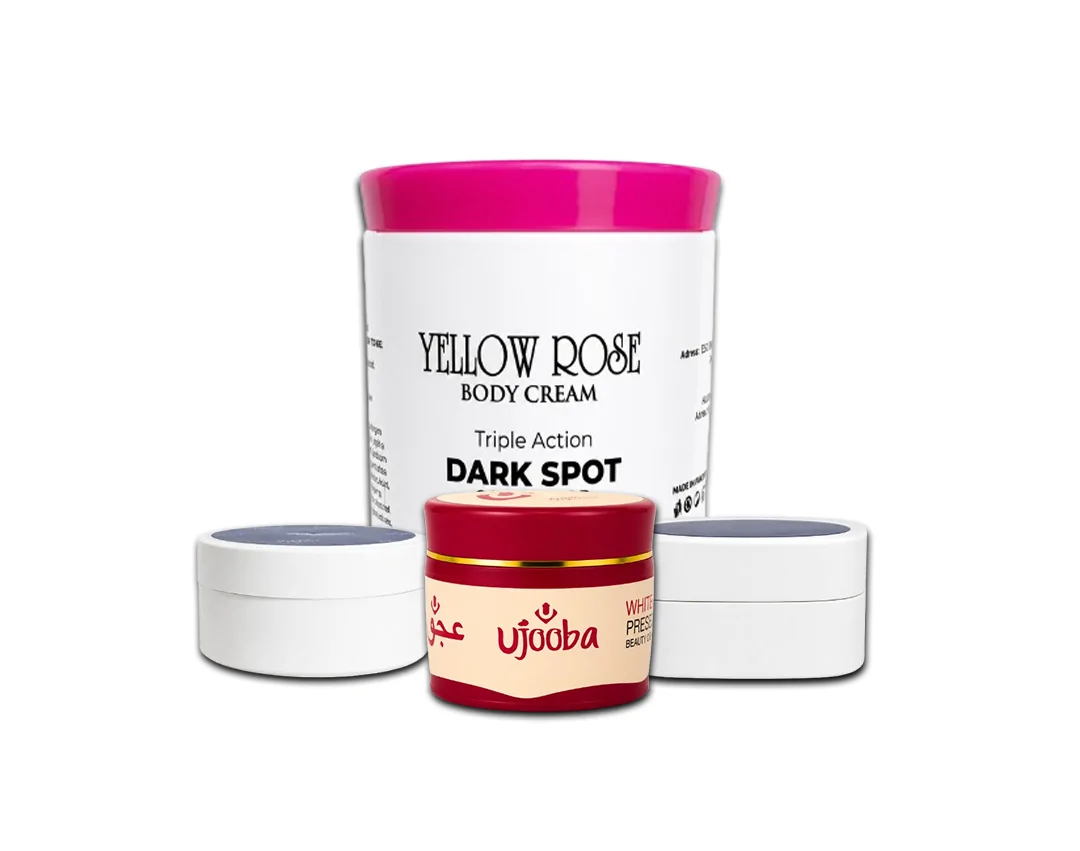
Alt text: seasonal packaging Pakistan manufacturing facility producing winter bottles in Karachi
Why Seasonality Matters in Pakistan’s Packaging Culture
Unlike Western markets where seasons shift gradually, Pakistan experiences sharp cultural and climatic transitions. Winter arrives suddenly in November. Eid dates move yearly. Christmas and New Year create a concentrated gifting window. These rhythms shape buying behavior in ways global brands often miss.
Consider this. During winter months, Pakistani households increase spending on three categories.
First, skincare and haircare. Dry air drives demand for richer creams, balms, and herbal oils. Second, edible ghee and cooking oils. Holiday cooking spikes consumption by nearly 40 percent. Third, gifting sets. Premium packaging becomes essential for social exchange during Eid and New Year.
A 2024 study by the Pakistan Business Council found that 68 percent of consumers choose products with seasonal packaging during festive periods even if the formula remains unchanged. Why? Because packaging signals care. It tells the buyer this brand understands my moment.
Generic year-round packaging feels lazy during these peaks. Seasonal packaging feels intentional. And intentionality builds trust.
Winter 2025 Color Palettes Dominating Pakistani Shelves
Color psychology drives seasonal sales. In Pakistan, winter palettes blend global influences with local cultural codes.
Warm neutrals and earth tones are leading the shift. Gone are the days of stark white winter packaging. Today’s winning shades include terracotta and burnt orange evoking clay pottery and traditional craftsmanship. Deep olive green signals natural ingredients and herbal authenticity. Warm beige and sand convey softness for skincare and baby products.
These colors resonate because they feel Pakistani. They reference our landscapes, textiles, and artisan heritage not imported aesthetics.
Metallic accents appear with restraint. Instead of full metallic bottles, brands now use matte bases with foil-stamped logos, subtle metallic caps or collars, and embossed patterns that catch light. This approach feels premium without appearing gaudy a delicate balance Pakistani consumers appreciate.
For functional reasons, amber and cobalt blue remain dominant for oil-based products. These colors block UV light while conveying richness. In winter 2025, we see them paired with matte finishes rather than high gloss adding tactile warmth.
As a plastic packaging manufacturer in Karachi, we have increased production of these seasonal color batches starting in August to meet November demand.
Alt text: amber HDPE bottle production for seasonal hair oil packaging Pakistan winter 2025
Material Innovations for Winter Conditions
Pakistan’s winter brings unique challenges. Humidity drops in Punjab while coastal areas face damp cold. Temperature swings affect product viscosity and container integrity. Smart brands adapt their materials accordingly.
Thicker wall construction has become essential. Standard summer bottles may feel flimsy when filled with thick winter creams or ghee. Leading brands now specify 20 to 25 percent thicker walls for jars holding balms or butters. Reinforced base designs prevent tipping when contents solidify. Wider neck openings enable easy scooping of viscous products.
These adjustments cost marginally more but prevent customer complaints about breakage or difficulty using the product.
Soft-touch coatings gain traction rapidly. The tactile experience matters especially in cold weather. Soft-touch matte coatings feel warm and premium, hide fingerprints and smudges, and differentiate products on crowded shelves. We have seen a 300 percent increase in requests for soft-touch finishes since 2023, particularly for gift sets and premium hair oil lines.
Sustainable materials succeed when locally relevant. Pakistani consumers care about practical eco-choices not abstract claims. They respond to recyclable HDPE clearly labeled with PSQCA recycling symbols, lightweight designs that reduce plastic use without compromising protection, and refillable systems for loyal customers. Greenwashing fails here. Authenticity wins.
Festive Packaging Beyond Visuals: The Unboxing Moment
In Pakistan, gifting is a ritual. The unboxing experience matters as much as the product inside. Winter 2025 sees brands designing packaging for shareability especially on Instagram and WhatsApp.
Layered unboxing sequences create multiple moments of delight. Top brands structure the reveal with an outer sleeve featuring seasonal artwork, a main container with functional elegance, an inner card with handwritten-style message, and a sample sachet as bonus. This sequence creates multiple photo opportunities extending brand reach organically.
Cultural motifs succeed when executed respectfully. Many brands incorporate Pakistani patterns like ajrak, truck art motifs, or Islamic geometry. Success depends on subtlety. Subtle embossing of geometric patterns on matte surfaces works well. Collaborating with local artists ensures authenticity. Avoiding literal copies of sacred symbols prevents missteps.
Practical gifting features reflect deep market understanding. Pakistani gift-givers value integrated ribbon slots so recipients can reuse the container, stackable shapes for easy transport in rickshaws or cars, and drip-free pourers on oil bottles to prevent messy gifting. These details convert browsers into buyers.
Regional Variations Within Pakistan
A common mistake is treating Pakistan as a single market. Packaging that works in Karachi may underperform in Peshawar or Quetta. Winter 2025 demands regional intelligence.
Urban centers like Karachi, Lahore, and Islamabad prefer minimalist luxury with clean typography and restrained color palettes. They respond to Instagrammable aesthetics and value sustainability claims backed by proof.
Smaller cities and towns favor bold colors and explicit festive messaging like “Eid Mubarak” printed directly on packaging. They prioritize value perception through larger sizes and visible product quantity. They trust established visual cues where gold means premium and red means celebration.
Northern regions need extra durability for colder temperatures and mountain transport. They prefer darker colors that hide dust during transit and value practical closures that work with gloves.
Smart brands create regional variants of the same product line adjusting color intensity, label copy, and closure types while keeping core branding consistent.
Timing Your Seasonal Packaging Production
Many brands miss peak season because they misunderstand production timelines. Here is the realistic schedule for Winter 2025 launches.
June to July is for finalizing design concepts and material specs. August is critical for approving physical samples. Never skip this step digital proofs lie about texture and color accuracy. September begins bulk production. October completes filling, labeling, and distribution. Early November gets products on shelves before the first cold snap.
Delay sample approval past mid-August and you risk missing 60 percent of winter sales. Production slots fill fastest for custom colors and specialty finishes.
At Noor Enterprises, we reserve dedicated capacity for seasonal clients who commit by July 15. This ensures your winter packaging arrives on time without rush fees.
Case Study: How a Lahore Skincare Brand Won Winter 2024
A mid-sized Lahore brand selling rosewater toner struggled with flat winter sales. Their clear PET bottles looked identical year-round.
For Winter 2024, they partnered with us to create a seasonal variant. They switched to frosted white HDPE bottles with soft-touch coating. They added subtle gold foil stamping of their logo. They included a miniature gift tag slot on the neck. They used amber inner liners to protect light-sensitive ingredients.
They marketed it as “Winter Glow Edition” with no formula change. Result? Sales increased by 210 percent compared to previous winters. Customers photographed the bottles on social media unprompted. Retailers requested larger allocations.
The lesson is clear. Seasonal packaging alone drove growth. No new advertising. No influencer campaigns. Just intelligent design aligned with cultural moments.
Practical Steps to Implement Seasonal Packaging
You do not need a huge budget to start. Here is how brands of any size can adopt seasonal packaging.
First, audit your current packaging. Identify one product line with strong winter sales potential. Skincare, hair oil, or ghee blends work best.
Second, choose one seasonal element. Do not overhaul everything at once. Start with a seasonal color variant like amber instead of clear, a limited-edition label design, or a special closure like a matte cap instead of glossy.
Third, test before scaling. Order 500 to 1,000 units as a test batch. Sell through your strongest channel first online or a flagship store. Measure conversion lift before committing to bulk production.
Fourth, gather customer feedback. Ask buyers why they chose the seasonal version. Their answers will guide your 2026 strategy.
Fifth, plan your off-season transition. Seasonal packaging must end cleanly. Plan your return to standard packaging with a “while supplies last” message to avoid inventory confusion.
Why Local Manufacturing Enables Better Seasonal Packaging
Importing seasonal packaging from China creates three fatal flaws for Pakistani brands.
First, timing mismatches. Chinese factories prioritize global holidays like Christmas not Pakistani winter peaks. Second, cultural disconnect. Foreign designers misinterpret local color meanings and motifs. Third, no revision flexibility. If samples miss the mark, you wait 8 weeks for corrections.
Working with a Karachi-based manufacturer like Noor Enterprises solves these challenges completely. We understand Pakistani winter not Scandinavian or Canadian. Sample revisions take 5 days not 5 weeks. We adjust production schedules around your launch dates not Alibaba’s calendar.
This agility is why 85 percent of our seasonal packaging clients return year after year.
Looking Ahead: 2026 and Beyond
Seasonal packaging in Pakistan will evolve in three clear directions.
Hyper-localization will grow. Packaging that references specific cities or regions like “Karachi Winter Blend” will resonate deeply. Interactive elements will emerge. QR codes linking to seasonal recipes or skincare routines add value without clutter. Circular design will mature. Packaging engineered for easy return and refill programs during festive seasons meets both consumer demand and environmental responsibility.
Brands that treat seasonal packaging as strategic not decorative will own these shifts.
Final Thoughts
Seasonal packaging Pakistan is more than aesthetics. It is cultural intelligence made visible. It tells your customer I see your moment. I honor your traditions. I crafted this for you.
In a crowded market, that message cuts through noise. It builds loyalty beyond transactions. And it drives sales when competition is fiercest.
Do not let your next winter launch blend into the background. Make it unforgettable.